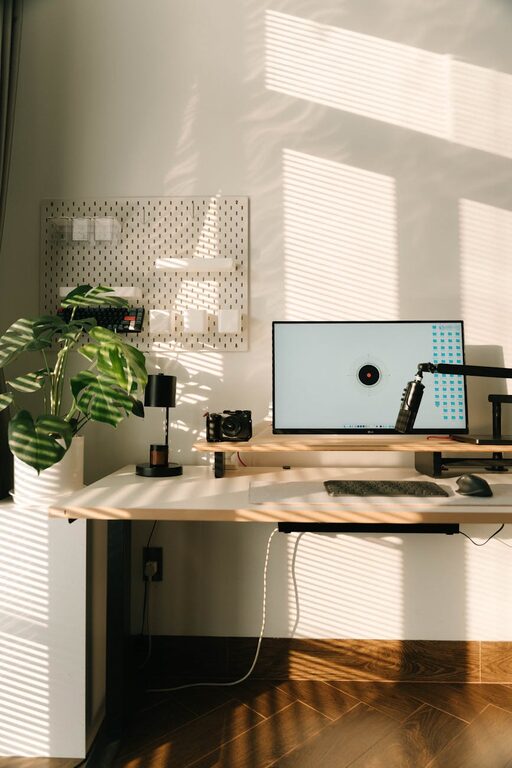
Creating a sustainable and organised home workspace is more important than ever. Whether you work remotely full-time or occasionally, having a dedicated spot that is both efficient and eco-friendly can improve your focus, reduce stress, and contribute to a healthier planet. In this blog post, we’ll explore simple, practical ways to design a workspace that works for you and the environment.
Why Choose a Sustainable and Organised Workspace?
A workspace is where you spend a significant part of your day, so it should be comfortable, functional, and inspiring. Sustainability in this context means using resources wisely, minimising waste, and choosing products that have a lower environmental impact. Organisation ensures your space is clutter-free, making it easier to concentrate and find what you need when you need it.
By combining sustainability with organisation, you create a workspace that is not only good for your productivity but also responsible towards the environment.
—
Start with the Right Location
Choose Natural Light
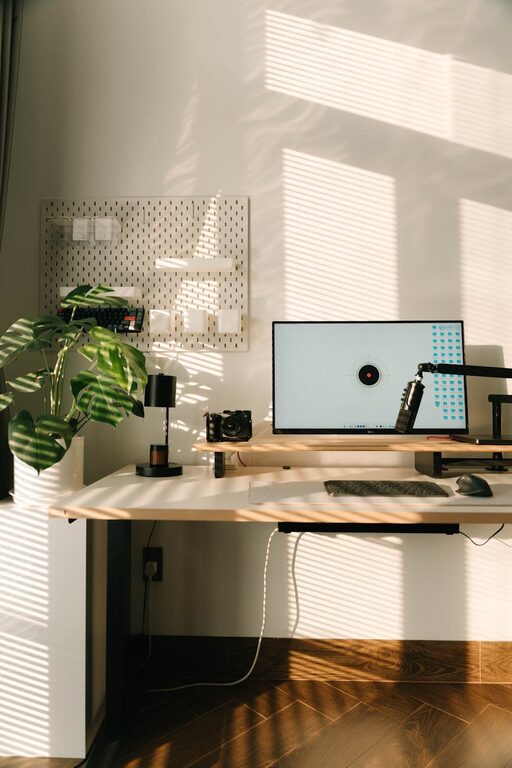
Select a spot with plenty of natural light. Daylight boosts mood, reduces eye strain, and cuts down the need for artificial lighting, saving energy. Ideally, position your desk near a window with easy access to fresh air.
Consider Noise Levels
Pick a quiet area of your home where you can focus without distractions. If complete silence isn’t possible, try noise-cancelling headphones or background music to keep your concentration sharp.
—
Furnish with Sustainability in Mind
Opt for Eco-Friendly Materials
When buying furniture, look for items made from sustainable materials, such as reclaimed wood, bamboo, or recycled metal. Avoid products made from non-recyclable plastics or those treated with harmful chemicals.
Buy Quality and Durable Pieces
Invest in high-quality furniture that will last for years rather than inexpensive items that wear out quickly. Durable furniture reduces waste over time.
Consider Second-Hand or Upcycled Furniture
Thrift shops, online marketplaces, and charity stores often have stylish desks and chairs in good condition. Upcycling older pieces with a fresh coat of paint or new upholstery extends their life and adds a personalised touch.
—
Maximise Organisation with Smart Storage
Use Multi-Functional Storage Solutions
Choose storage units that serve more than one purpose — for example, a filing cabinet that doubles as a printer stand or a shelf with baskets to keep cables and stationery tidy.
Declutter Regularly
Set aside time each week to clear out your workspace. Remove paperwork, broken items, and anything no longer necessary to maintain an organised environment.
Label Your Storage
Labels help you find things quickly and encourage you to put items back in the right place. Use reusable labels or chalkboard tags to minimise waste.
—
Minimise Waste and Energy Use
Go Paperless Wherever Possible
Reduce clutter and waste by shifting to digital documents and notes. Use apps and cloud services to organise your work and reduce the need for printing.
Choose Energy-Efficient Equipment
Select devices with energy-saving features and switch off electronics when not in use. Consider using power strips to easily disconnect multiple devices at once.
Recycle and Compost
Keep recycling bins close by for paper, plastic, and electronics where applicable. If you have food or garden waste in your workspace area, set up a small compost bin to reduce landfill waste.
—
Add Personal Touches with Care
Use Plants to Improve Air Quality
Indoor plants add colour and life to your workspace while helping to purify the air. Choose low-maintenance varieties such as spider plants, succulents, or snake plants that thrive indoors.
Decorate with Eco-Friendly Materials
Select accessories made from natural or recycled materials. Avoid decorating with disposable items or overly trendy products that may soon feel outdated.
—
Create Healthy Habits for Long-Term Sustainability
Maintain a Comfortable Setup
Ergonomic chairs and adjustable desks encourage good posture and prevent discomfort. This improves your ability to work efficiently and reduces the chance of injury.
Take Regular Breaks
Stretch, move around, and rest your eyes regularly to avoid fatigue. A healthy routine supports sustainable productivity and overall wellbeing.
Stay Hydrated and Nourished
Keep a water bottle at your desk and enjoy nutritious snacks. Taking care of your body sustains your energy levels throughout the day.
—
Final Thoughts
Designing a sustainable and organised home workspace is achievable by making mindful choices about location, furniture, storage, and daily habits. Small changes, like choosing second-hand furniture or reducing paper use, add up over time to create a space that nurtures your productivity and respects the planet.
Start with one or two tips from this guide, and gradually build a workspace that supports both your work and your values. With a little effort and planning, a green and tidy home office can become your favourite room to work in.
About the Author