Creating a productive home office space is essential for anyone working remotely or spending significant time on personal projects. A well-designed workspace can improve focus, reduce distractions, and increase overall satisfaction while working. Whether you have a dedicated room or a small corner of your home, these tips will help you set up an environment that supports your productivity and well-being.
Choosing the Right Location
Finding the right spot for your home office is the first step. Ideally, select a space that is quiet and away from high-traffic areas in your home. This will help minimise interruptions and allow you to focus more effectively.
– Separate room: If possible, use a spare room so you can physically separate work from leisure.
– Corner space: A quiet corner in a living room or bedroom can also work well, especially when space is limited.
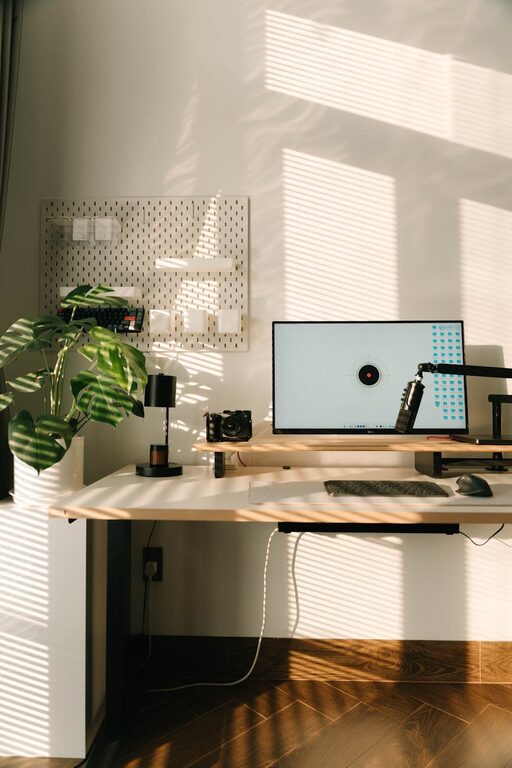
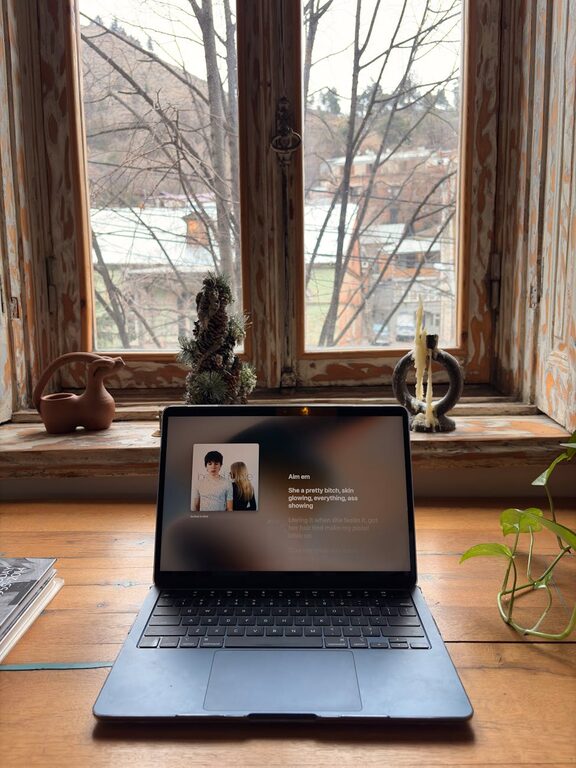
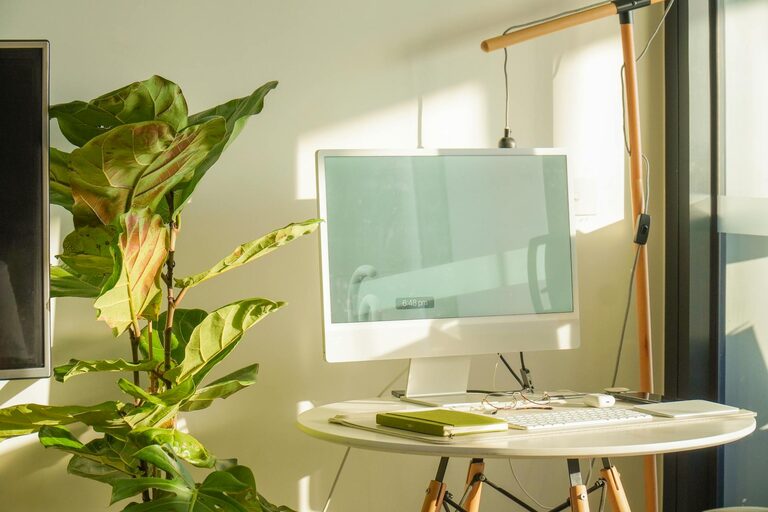
– Natural light: Aim to position your desk near a window. Natural light helps reduce eye strain and can elevate your mood.
Ergonomic Furniture and Equipment
Comfort plays a big role in productivity. Investing in ergonomic furniture and equipment can prevent discomfort, fatigue, and health issues during long hours of work.
– Desk: Choose a desk at the right height to keep your arms at a 90-degree angle while typing.
– Chair: Use an adjustable chair with good lumbar support to maintain proper posture.
– Monitor: Position your screen at eye level, roughly arm’s length away, to avoid neck and eye strain.
– Keyboard and mouse: Consider ergonomic designs to reduce wrist strain.
Organising Your Workspace
A tidy and organised space helps reduce distractions and streamline your tasks.
– Declutter regularly: Remove unnecessary items from your desk daily.
– Use storage solutions: Shelves, filing cabinets or desk organisers keep your documents and supplies in order.
– Cable management: Use clips or sleeves to keep electrical cords neat and out of the way.
– Keep essentials handy: Store frequently used items within easy reach to avoid breaking your concentration.
Lighting and Ambience
Proper lighting and atmosphere can greatly affect your productivity and comfort.
– Layer lighting: Combine natural light with task lighting such as a desk lamp and ambient lighting in the room.
– Avoid glare: Position your screen to prevent reflections from windows or lights.
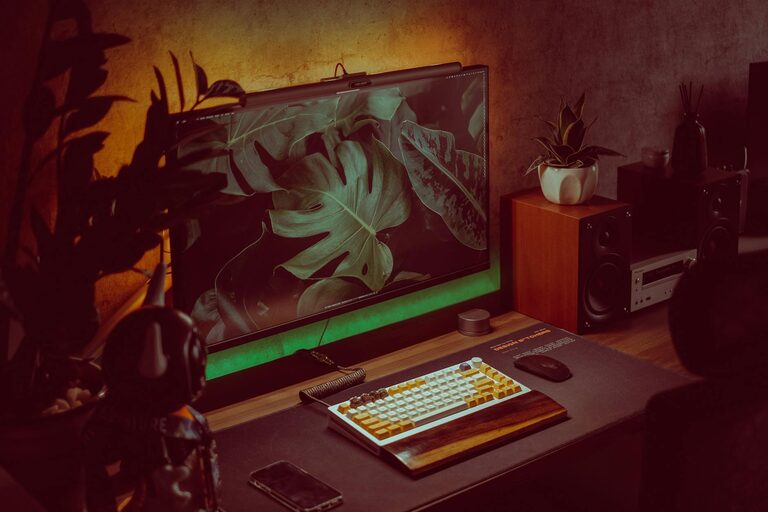
– Add personal touches: Plants, photos, or artwork can create a welcoming environment that inspires you.
– Control noise: Use noise-cancelling headphones or soft background music to mask distracting sounds.
Establishing Boundaries and Routine
Your physical space is important, but so are the boundaries and routines you create.
– Set work hours: Define when you start and finish work to balance productivity and relaxation.
– Take breaks: Use techniques like the Pomodoro method to work in focused intervals with regular breaks.
– Communicate boundaries: Let family or housemates know your working hours to minimise interruptions.
– Designate “off” zones: Avoid bringing work into other parts of your home to maintain separation.
Technology and Connectivity
Reliable equipment and internet connection are essential for a smooth workday.
– Upgrade internet: Ensure your broadband speed and reliability meet your needs.
– Backup power: Consider a surge protector or uninterruptible power supply (UPS) to safeguard equipment.
– Use productivity tools: Organisers, calendars, and apps help you stay on top of tasks.
– Maintain security: Use strong passwords, update software regularly, and back up your work.
Personal Health and Wellbeing
Taking care of your physical and mental health will keep you energized and focused.
– Incorporate movement: Stand or stretch regularly, or use a sit-stand desk.
– Stay hydrated: Keep a water bottle nearby.
– Healthy snacks: Have nutritious snacks available to maintain energy.
– Mindfulness breaks: Practice deep breathing or brief meditation to reduce stress.
Final Thoughts
Creating a productive home office space is about combining comfort, organisation, and personal preferences to support your workflow. It might take some experimentation to find what works best for you, but investing time into setting up your workspace will pay off in increased focus and enjoyment of your work. Remember, your home office should be a place where you feel motivated and comfortable — making work feel less like work.
About the Author