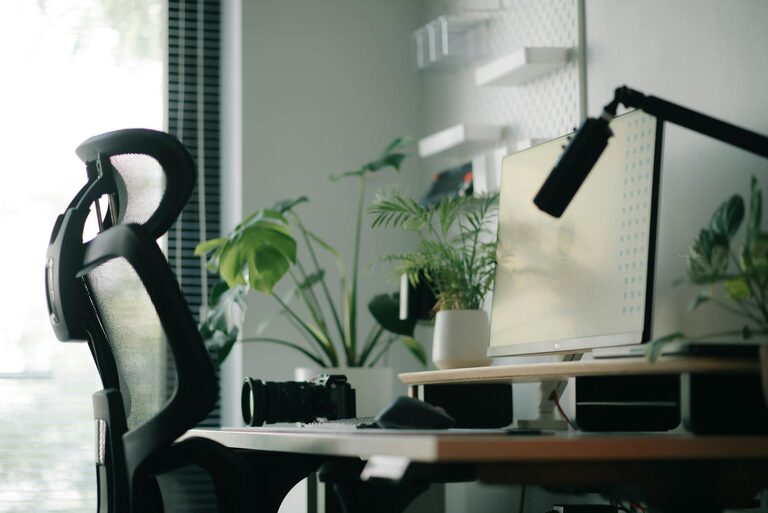
Creating a relaxing home workspace is essential for anyone working from home or spending hours at a desk. A well-designed area can boost your productivity and promote a sense of calm, helping you to feel more motivated and less stressed throughout the day. In this guide, we will explore practical tips to transform your workspace into a peaceful and efficient environment.
Why a Relaxing Workspace Matters
When your workspace feels cluttered or uncomfortable, it’s harder to concentrate. Stress can build up, and productivity may decline. Having a dedicated area that encourages relaxation and focus can improve your mood, reduce distractions, and make work more enjoyable.
Choosing the Right Location
Find a Quiet Spot
Selecting a quiet corner of your home can make a big difference. Try to avoid busy areas with lots of foot traffic or noise. If space is limited, using noise-cancelling headphones can help create a more peaceful atmosphere.
Consider Natural Light
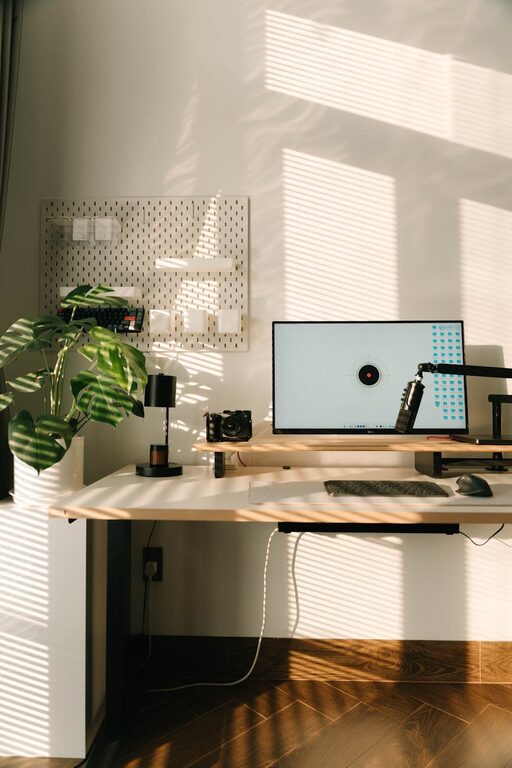
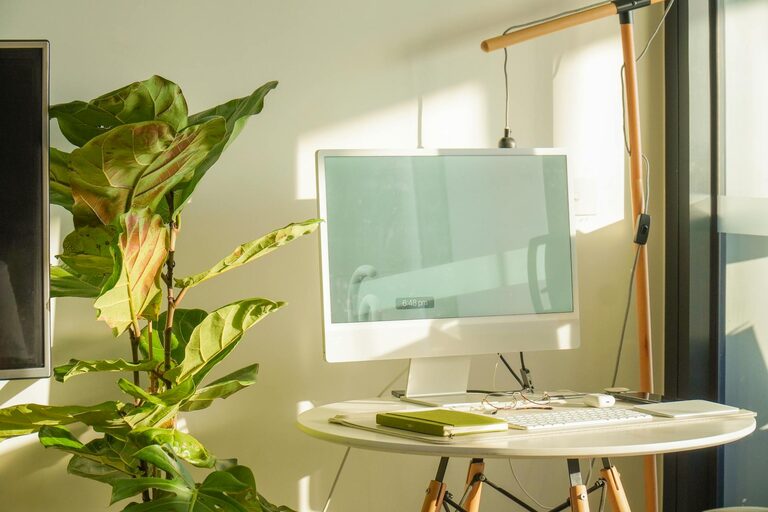
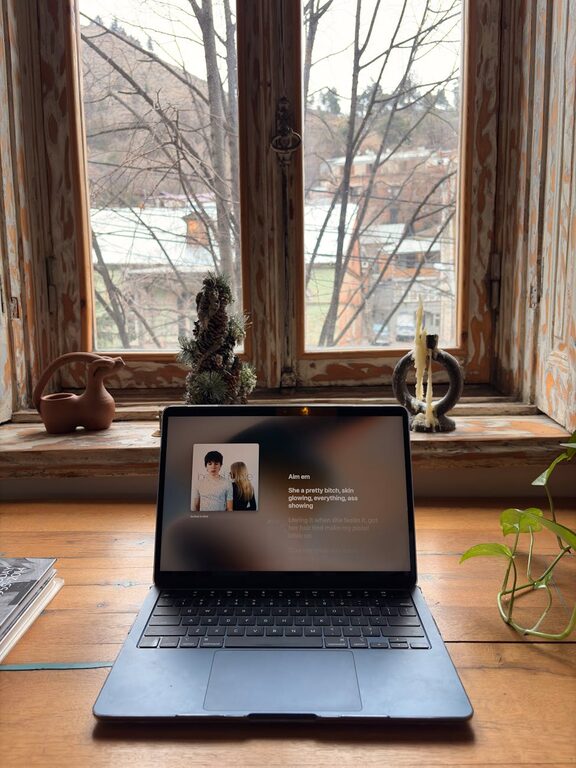
Natural light is a mood booster and helps reduce eye strain. Position your desk near a window if possible. If not, invest in good quality, adjustable artificial lighting that mimics natural light.
Designing for Comfort
Ergonomic Furniture
Comfort is crucial for long work hours. Use a chair that supports your back and allows your feet to sit flat on the floor. Your desk height should enable you to type with your wrists straight and elbows at a 90-degree angle.
Personalise Your Space
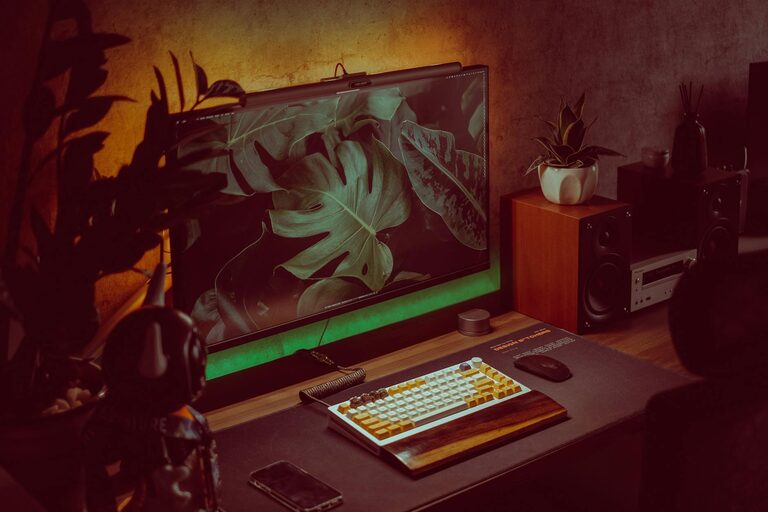
Adding personal touches like photos, favourite books, or plants can make your workspace more inviting. Plants, in particular, not only beautify the area but can also improve air quality and reduce stress.
Decluttering and Organisation
Keep It Tidy
Clutter can be distracting and overwhelming. Regularly clear your desk of unnecessary items. Use organisers, trays, or drawers to store stationery and documents neatly out of sight.
Digital Organisation
A clean digital desktop complements your physical space. Keep your files and bookmarks organised to avoid wasting time searching for what you need.
Creating a Calming Atmosphere
Colours and Decorations
Soft, neutral colours tend to have a calming effect. Avoid overly bright or harsh colours that may cause agitation or fatigue. Minimalist decorations help maintain a clean look that doesn’t overstimulate the senses.
Incorporate Relaxation Elements
Consider adding a small water feature, a diffuser with relaxing scents like lavender, or soothing background music to enhance a peaceful environment.
Establishing Boundaries
Separate Work and Relaxation
Try to use your workspace only for work-related tasks. This helps your brain associate the area with focus and productivity, making it easier to switch off at the end of the day.
Set a Routine
Having a daily routine that includes breaks and a clear finishing time can improve wellbeing and prevent burnout. Use break times to stretch, hydrate, or briefly step outside.
Technology Tips
Use the Right Tools
Invest in technology that supports your work without causing frustration. This includes a reliable internet connection, a good quality keyboard and mouse, and suitable software that fits your needs.
Minimise Distractions
Turn off unnecessary notifications and use apps that block distracting websites during work hours to maintain focus.
Maintaining Your Workspace
Regular Cleaning
Keep your workspace clean by dusting surfaces and vacuuming regularly. A fresh environment reduces allergens and helps maintain a pleasant atmosphere.
Update and Refresh
Every few months, revisit your workspace setup. Remove items that no longer serve a purpose and add new elements if needed to maintain a sense of inspiration.
Conclusion
A relaxing home workspace is a valuable investment for your productivity and wellbeing. By choosing the right location, prioritising comfort, organising efficiently, and creating a calm atmosphere, you can enjoy a more focused and enjoyable work experience. Remember to establish boundaries to separate work from leisure and maintain your space regularly to keep it inviting and functional.
With these tips, you’re well on your way to designing a home workspace that supports both your professional goals and your health.
About the Author