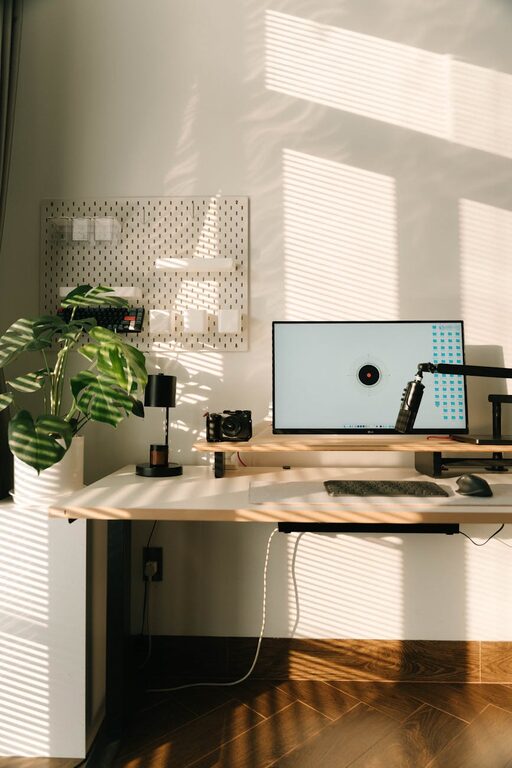
Setting up a home workspace that balances relaxation and productivity is key to enjoying your work-from-home routine and getting the most out of your days. Whether you are working remotely full-time or just occasionally, having a dedicated area that supports focus without causing burnout can make a big difference.
In this post, we explore practical tips to help you create a home workspace that feels comfortable, inspires productivity, and keeps stress at bay.
Choose the Right Location
Selecting an appropriate spot for your workspace is the first step in creating an effective environment.
– Quiet and low-traffic area: Aim for a corner or room away from household noise or distractions.
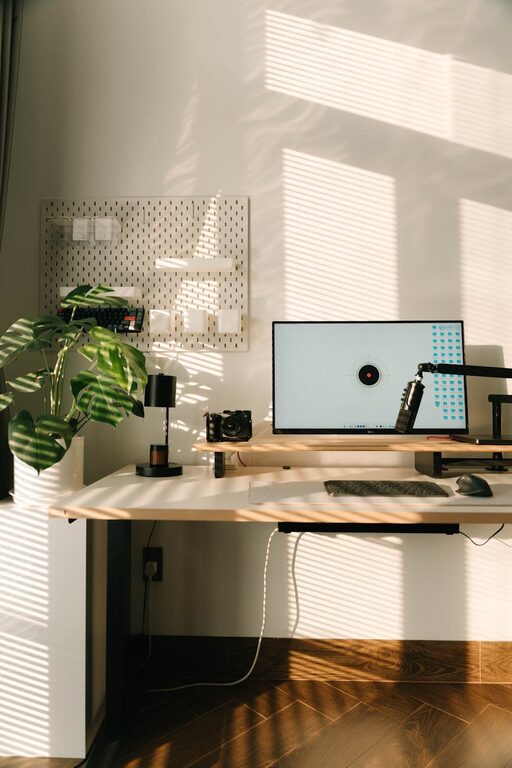
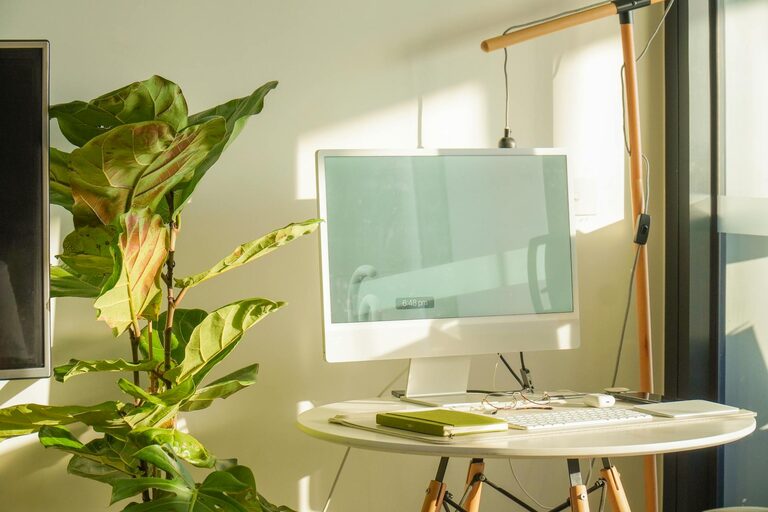
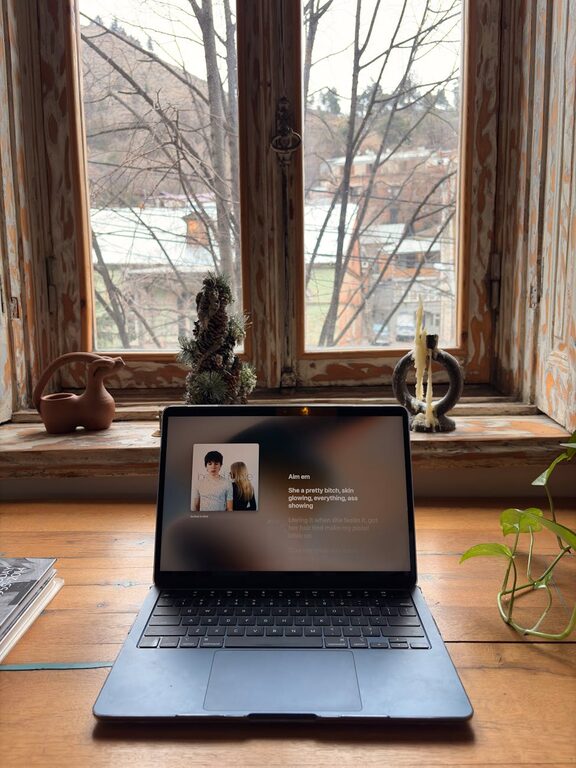
– Natural light: Position your desk near a window if possible to benefit from daylight, which improves mood and alertness.
– Space for essentials: Ensure there’s enough room for your computer, paperwork, and any tools or accessories you need.
Avoid setting up near noisy kitchens or living areas to help maintain focus throughout the workday.
Invest in Comfortable and Supportive Furniture
Comfort plays an essential role in both relaxation and productivity.
– Ergonomic chair: Choose a chair that offers adequate back support and allows you to maintain good posture.
– Adjustable desk: Consider a desk that can be raised or lowered to alternate between sitting and standing positions.
– Sufficient surface area: Your desk should have enough space for your equipment without feeling cramped.
Spending a little more on quality furniture can prevent discomfort and fatigue, making your work sessions more efficient.
Organise Your Workspace Wisely
An orderly workspace has a calming effect and reduces distractions.
– Declutter regularly: Keep only the necessary items on your desk.
– Storage solutions: Use shelves, drawers, or organisers to store documents and supplies neatly.
– Cable management: Tidy cables with clips or sleeves to create a cleaner look and prevent tangling.
A simplified workspace helps your mind stay clear and focused.
Control Lighting for Comfort and Efficiency
Proper lighting reduces eye strain and keeps you alert.
– Natural light: As mentioned, natural light is best, but vary exposure to avoid glare.
– Task lighting: Use adjustable desk lamps that provide direct light on your work area especially for evening hours.
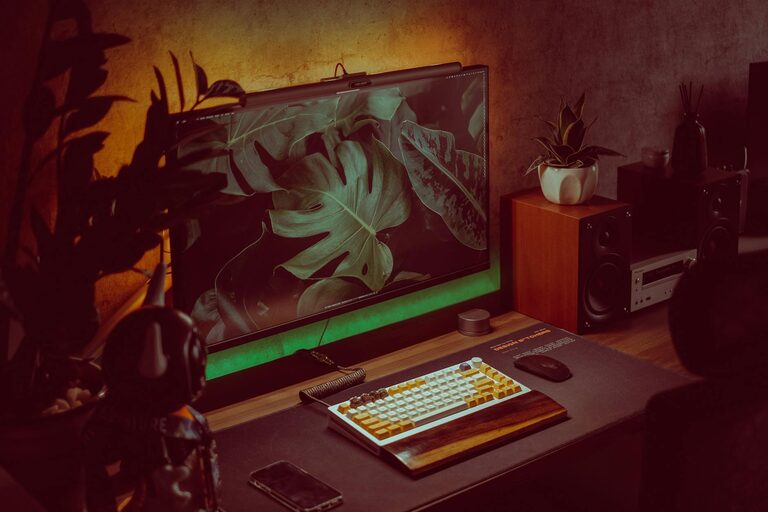
– Ambient lighting: Soften the room with warm, diffused lighting to avoid harsh contrasts.
Adjust lighting throughout the day to match your tasks and mood.
Personalise to Inspire and Calm
A few personal touches can make your workspace a pleasant place to spend hours.
– Plants: Add greenery to brighten the area and improve air quality.
– Artwork or photos: Choose calming images or motivational quotes for inspiration.
– Scent: Use subtle scents like lavender or citrus with candles or diffusers to promote relaxation.
Personalisation should enhance your environment without causing clutter or distraction.
Establish Boundaries and Routines
Maintaining a work-life balance is easier when your workspace supports this separation.
– Defined work hours: Decide on set times to start and finish work each day.
– Breaks: Schedule short breaks to stretch, hydrate, and refresh your mind.
– ‘Away’ signals: Close your workspace or turn off devices when work is done to signal rest time.
Clear boundaries help your brain associate the workspace with work, and the rest of the home with relaxation.
Utilise Technology to Support Efficiency
The right tools can streamline your workflow.
– Noise-cancelling headphones: Useful for blocking out distractions and enhancing focus.
– Productivity apps: Use to-do lists, timers, or project management software to stay organised.
– Reliable internet: Ensure a strong and stable connection to avoid interruptions.
Technology, when used effectively, becomes a helpful assistant rather than a source of distraction.
Keep Your Workspace Airy and Fresh
Air quality impacts how you feel and your ability to concentrate.
– Ventilation: Open windows regularly to let in fresh air.
– Air purifier: Consider one if your home tends to be stuffy or dusty.
– Temperature control: Maintain a comfortable temperature, avoiding extremes that reduce concentration.
A fresh environment supports both wellbeing and productivity.
Final Thoughts
Creating a relaxing and productive home workspace is about balance. It should feel inviting enough to encourage work without feeling stressful or cluttered. By paying attention to location, furniture, organisation, lighting, and personal touches, you set yourself up for success. Remember to maintain boundaries and look after your physical and mental wellbeing while working from home.
Try applying these tips gradually and adjusting based on your preferences. Your ideal workspace is one that grows with you and supports your best work every day.
About the Author