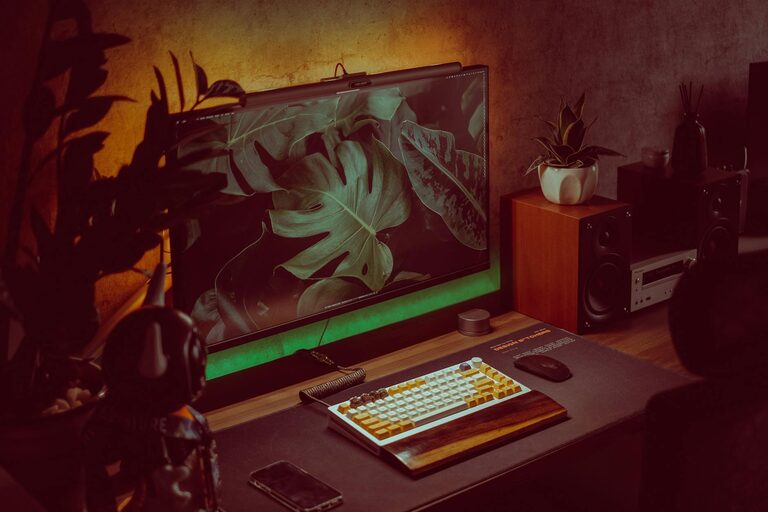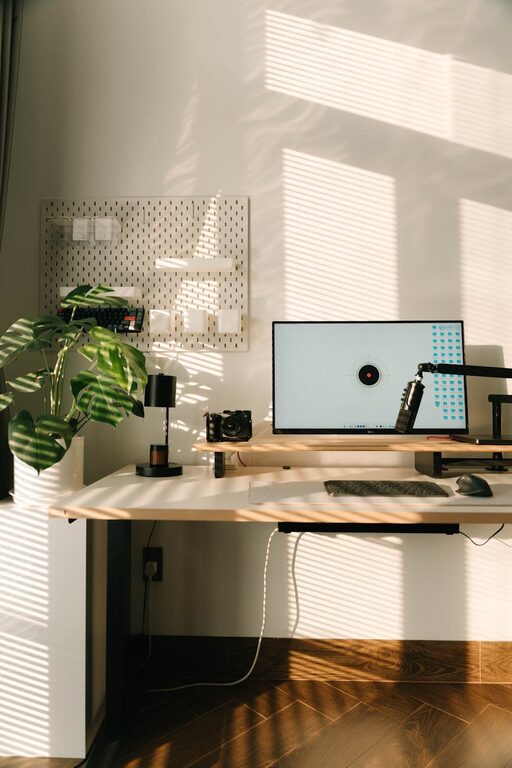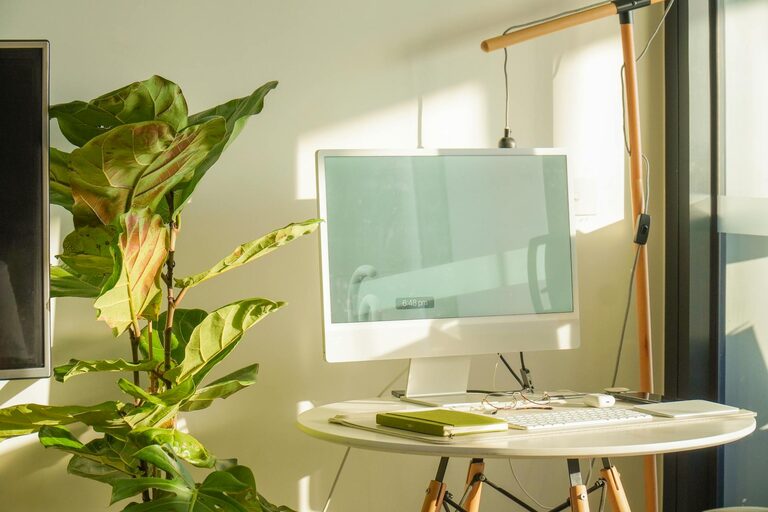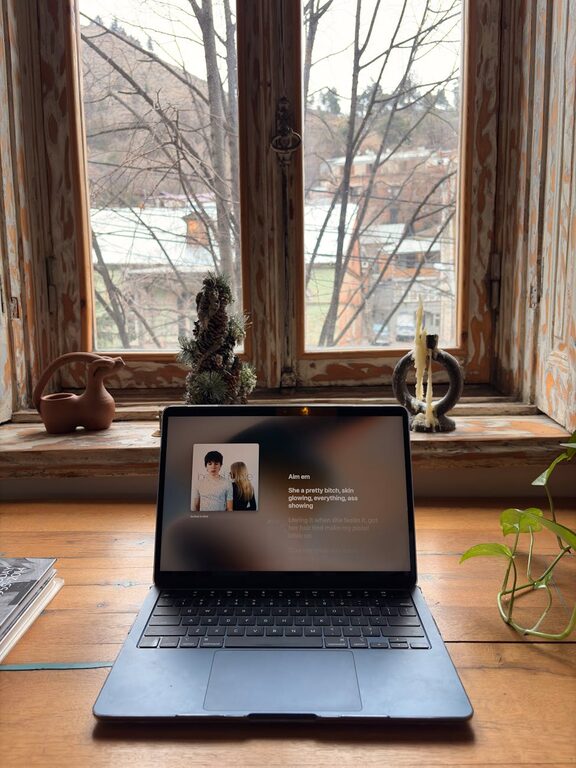
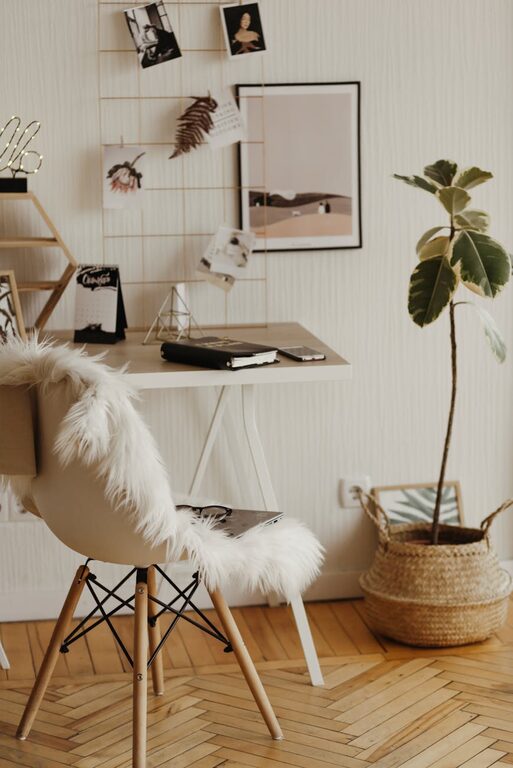
Creating a cosy and functional home workspace is essential for maintaining productivity and comfort, especially as many of us spend more time working from home. Whether you have a dedicated room or a small corner, the way you set up your workspace can greatly influence your mood, focus, and work quality. Here are some practical tips to help you design a home office that feels welcoming and works well for your daily needs.
Choose the Right Location
Quiet and Away from Distractions
Select a space in your home that offers minimal distractions. Ideally, this should be a quiet corner or a room with a door that you can close when working. If space is limited, consider using room dividers or screens to create a clear boundary between your work area and the rest of your living space.
Good Natural Light
Natural light boosts mood and energy, so position your desk close to a window if possible. Avoid placing your screen directly in front of the window to reduce glare, but side lighting is usually ideal.
Invest in Comfortable and Ergonomic Furniture
Desk and Chair
Choose a desk that suits your work needs and space. It should be large enough for your computer, essential documents, and any other tools you use daily. An ergonomic chair with good back support is vital for your health and comfort during long work sessions.
Monitor and Keyboard Position
Position your computer monitor at eye level to avoid neck strain. Your keyboard and mouse should be placed so that your elbows stay at about a 90-degree angle to help prevent wrist and arm discomfort.
Personalise to Increase Comfort and Motivation
Colours and Decor
Select colours that make you feel calm and focused. Soft blues and greens are popular choices, but even warm neutrals can be soothing. Add personal touches such as artwork, plants, or photos to make the space inviting.
Lighting
Aside from natural light, good task lighting is important. Use a desk lamp with adjustable brightness for evening or dull days. Warm light bulbs tend to create a homier atmosphere compared to harsh white lights.
Organise and Declutter Your Space
Storage Solutions
Use shelves, drawers, and organisers to keep your desk clutter-free. Consider vertical storage options to maximise space, such as floating shelves or wall-mounted organisers.
Minimise Distractions
Keep items unrelated to work out of your workspace. A tidy area helps improve concentration and productivity.
Make Your Workspace Multi-Functional (if Needed)
If your home workspace doubles as a hobby or family area, design it to be flexible. Use furniture that can be easily moved or folded away, and storage bins to keep work materials separate when not in use.
Incorporate Elements to Promote Wellbeing
Plants
Indoor plants can increase oxygen levels and reduce stress. Choose easy-to-care-for species like succulents or spider plants.
Break Area
If space allows, include a small area or chair to take breaks away from the desk, encouraging you to step back and refresh your mind regularly.
Maintain Your Workspace Regularly
Set time each week to clean and reorganise your workspace. This habit will keep your environment inviting and functional, preventing clutter from building up.
—
In summary, creating a home workspace that is both cosy and practical involves thoughtful location choice, comfortable furniture, personal touches, and good organisation. With the right setup, you’ll find it easier to focus, stay motivated, and enjoy your work-from-home experience.
About the Author