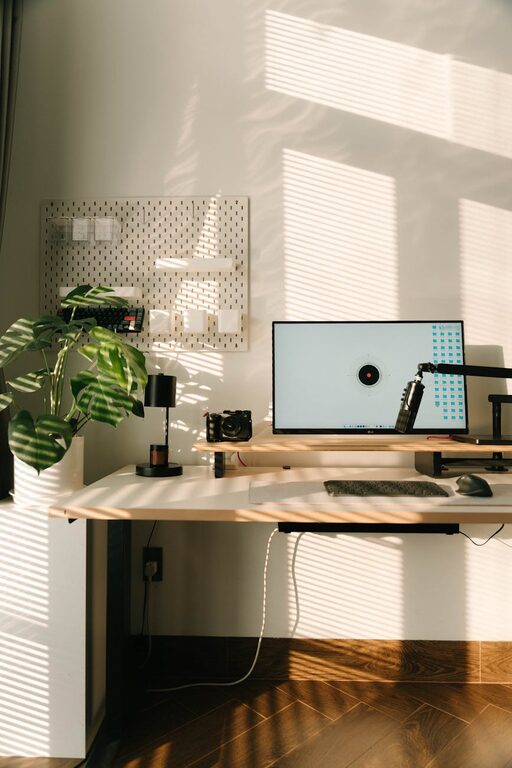
Creating a home office that is both relaxing and productive can make a big difference to your work-from-home experience. Whether you are new to remote work or looking to refresh your current setup, a well-designed space helps you stay focused, reduce stress, and maintain a healthy work-life balance. Here are some practical tips to help you craft a home office environment that works for you.
Choose the Right Location
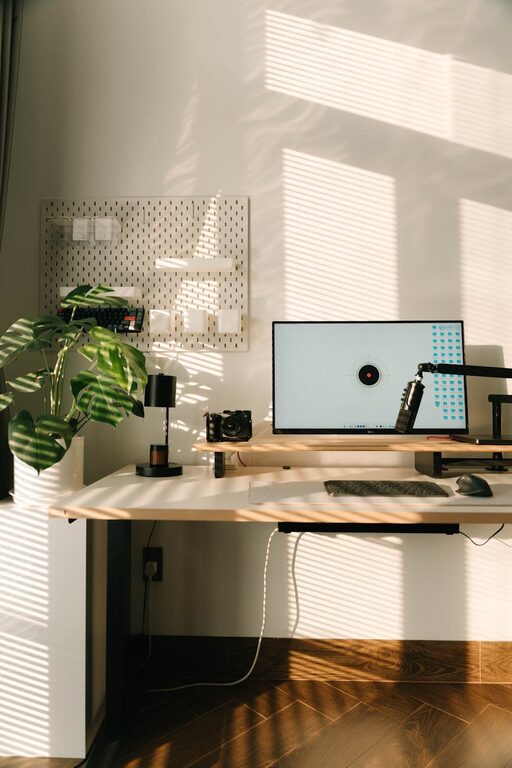
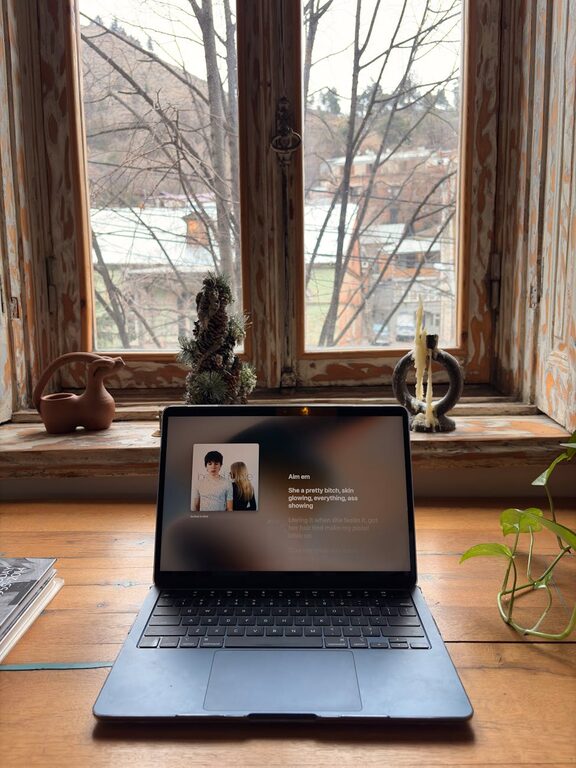
Selecting the right spot for your home office is crucial. Ideally, pick a quiet area of your home away from distractions like the TV or high-traffic zones. Natural light is another key factor; working near a window not only brightens the space but also boosts your mood and alertness.
If space is limited, a corner in the living room or bedroom can work well as long as you can separate it from your relaxation areas. If possible, place your desk so that you can see the door or have a pleasant view outside.
Invest in Comfortable and Functional Furniture
Furniture has a significant impact on both comfort and productivity. A good-quality ergonomic chair supports your back and helps prevent discomfort during long hours. Similarly, a desk of a suitable height allows you to maintain good posture.
Consider desks with enough surface area for your computer, documents, and any tools you regularly use. Adjustable desks that can convert to standing height are a great option if you want to vary your working position throughout the day.
Keep the Space Organised and Clutter-Free
Clutter can increase stress and reduce focus. Organise your office with storage solutions that suit your needs. Shelving units, filing cabinets, and desk organisers can help keep papers and supplies in order.
Develop a routine to tidy your workspace at the end of each day. This small habit refreshes your environment and prepares you to start the next day with a clear mind.
Use Calming Colours and Personal Touches
Colour affects mood and productivity. Soft, muted tones like blues, greens, or neutrals tend to create a calming atmosphere. Avoid overly bright or distracting colours as they may affect concentration.
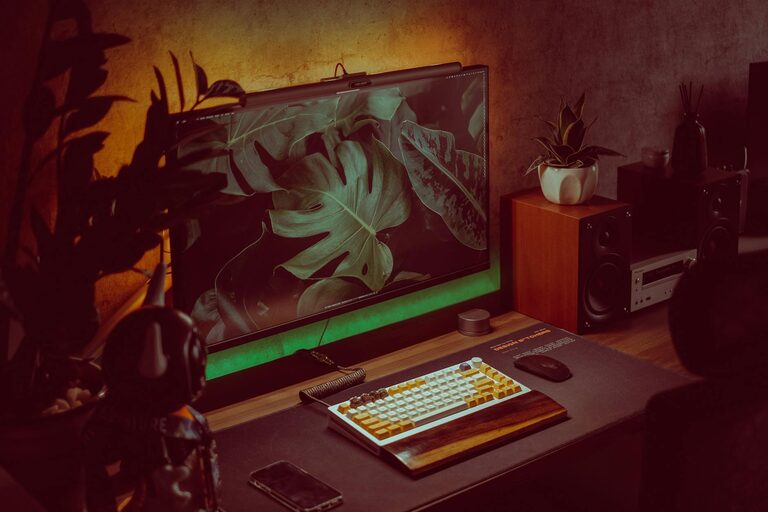
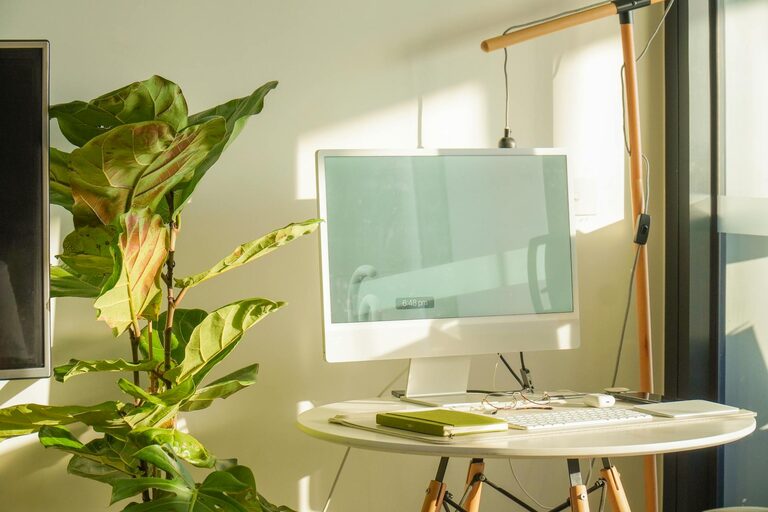
Personal touches such as plants, artwork, or meaningful objects can make your office more inviting. Indoor plants improve air quality and add a touch of nature which can reduce stress.
Manage Lighting Effectively
Good lighting reduces eye strain and keeps you alert. Combine natural light with adequate artificial lighting. A desk lamp with adjustable brightness can help on darker days or when working late.
Avoid harsh overhead lights; instead, opt for warm, soft white bulbs. Position your desk to prevent glare on your computer screen.
Minimise Noise and Distractions
Background noise can hamper productivity. Use noise-cancelling headphones or play gentle instrumental music if it helps you focus.
If external noise is a problem, consider soundproofing options such as heavy curtains, rugs, or acoustic panels. Also, communicate boundaries with family members to respect your working hours.
Set Up Technology Thoughtfully
Ensure your computer, printer, and other devices are set up for easy use. Organise cables with clips or sleeves to avoid tangles and keep the desk tidy.
Invest in a good quality webcam and microphone if you regularly have video calls. Reliable internet connection is essential, so positioning your router near your office or using a wired connection helps avoid interruptions.
Incorporate Break Areas and Movement
It’s important to take breaks and move throughout the day. If space permits, include a small comfortable chair or a mat for stretching exercises.
Use reminders or apps to prompt you to stand up, stretch, or walk briefly. Movement helps maintain energy levels and clears your mind.
Establish Clear Boundaries Between Work and Home Life
Create a routine that signals the start and end of your workday. For example, you might close a door or pack away work materials once you finish.
Dressing as if you were going to the office can psychologically prepare you for work. At the end of the day, changing into casual clothes helps you unwind.
Final Thoughts
A relaxing and productive home office combines thoughtful design with personal comfort. By paying attention to your environment — from lighting and furniture to organisation and decor — you can create a space that supports your best work while helping you stay calm and focused. With these tips, you’ll be well on your way to enjoying a pleasant and effective home working experience.
About the Author